
The Underground Update | Vol.11 - Sep. 2025
One week, 3 launches! Transboundary Aquifers of the World, WMO Report and GeoStory Series

After the success on LinkedIn, IGRAC’s monthly newsletter ‘The Underground Update‘ is now also available on substack. Are you as passionate about groundwater as we are? And do you want compelling stories from the field, the latest research outcomes and latest groundwater-related maps and reports, straight into your mailbox? Subscribe and never miss a single publication!
The Beauty of Groundwater (Discover Groundwater Series: Part 1 of 5)
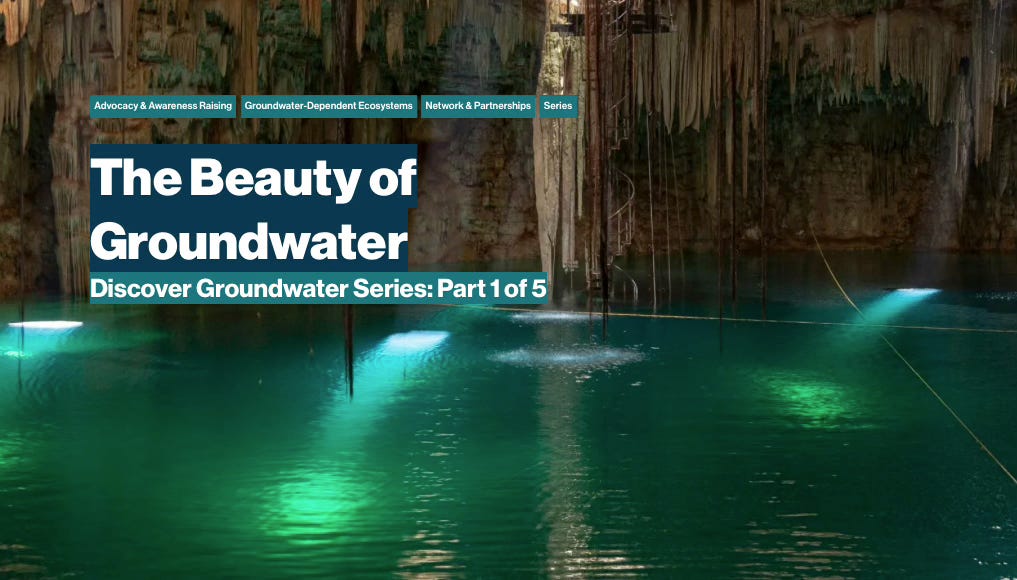
Water not only covers three-quarters of the Earth’s surface: it is also present almost everywhere below the Earth’s surface, down to considerable depths, and with few exceptions, is in continuous movement. What is groundwater? How Much of the Earth’s Water is Groundwater? Where does groundwater come from? And… How do we know if there is groundwater below the Earth’s surface?
This and more is being handled in ‘The Beauty of Groundwater’, part 1 of the ‘Discover Groundwater’ series. Marvel at the beauty of springs, geysers, caves, rivers, lakes, ponds, salars, wetlands, oasis, phreatophytic vegetation and submarine groundwater discharge in this first part and find out how you can become part of this series.
Groundwater level data from 47 countries in the State of Global Water Resources Report 2024
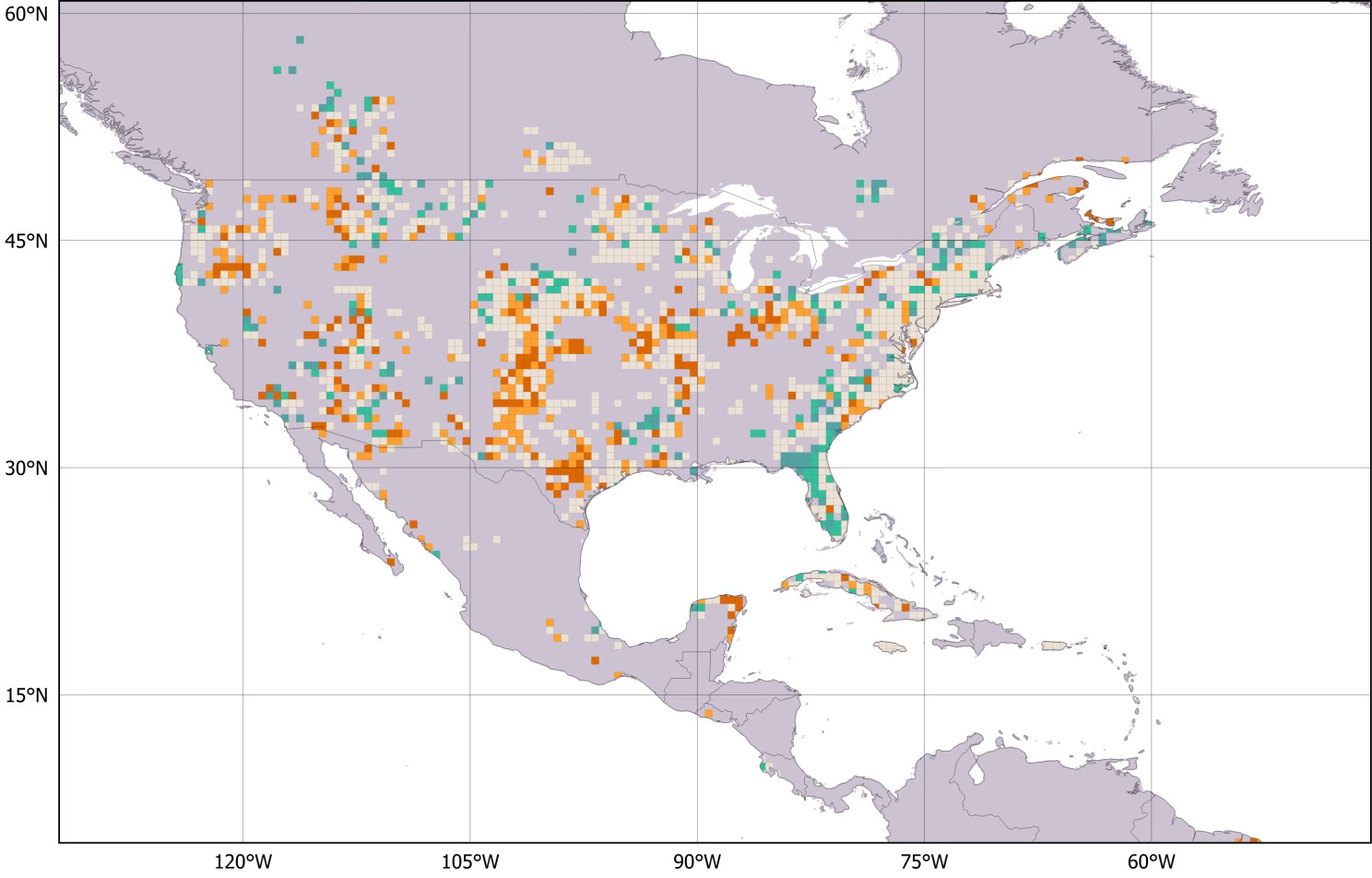
On Thursday 18 September 2025, WMO launched the 2024 edition of its State of Global Water Resources Report. As previously done for the 2022 and 2023 reports, IGRAC was responsible for the groundwater section of this report. After 10 countries in 2022 and 40 countries in 2023, this year’s analysis included 47 countries with in-situ monitoring data, shared by national and subnational institutions.
IGRAC’s analysis compared last year’s groundwater levels to those of the past 20 years. Whenever 20 years of monitoring data were not available, a 10-year reference period was used instead. In this 2024 edition, this was the case for Brazil, Costa Rica, Iraq, Kenya and Palestine. Once the monitoring data were collected, they were filtered to ensure data consistency and completeness. After this data filtering, we started the analysis with a total of 37,406 monitoring wells across 47 countries.
For more information and download links for the main groundwater-related outcomes, zoomed in maps, the main State Of Water report and our methodology report are available here.
New Transboundary Aquifers of the World Map 2025 is available for download
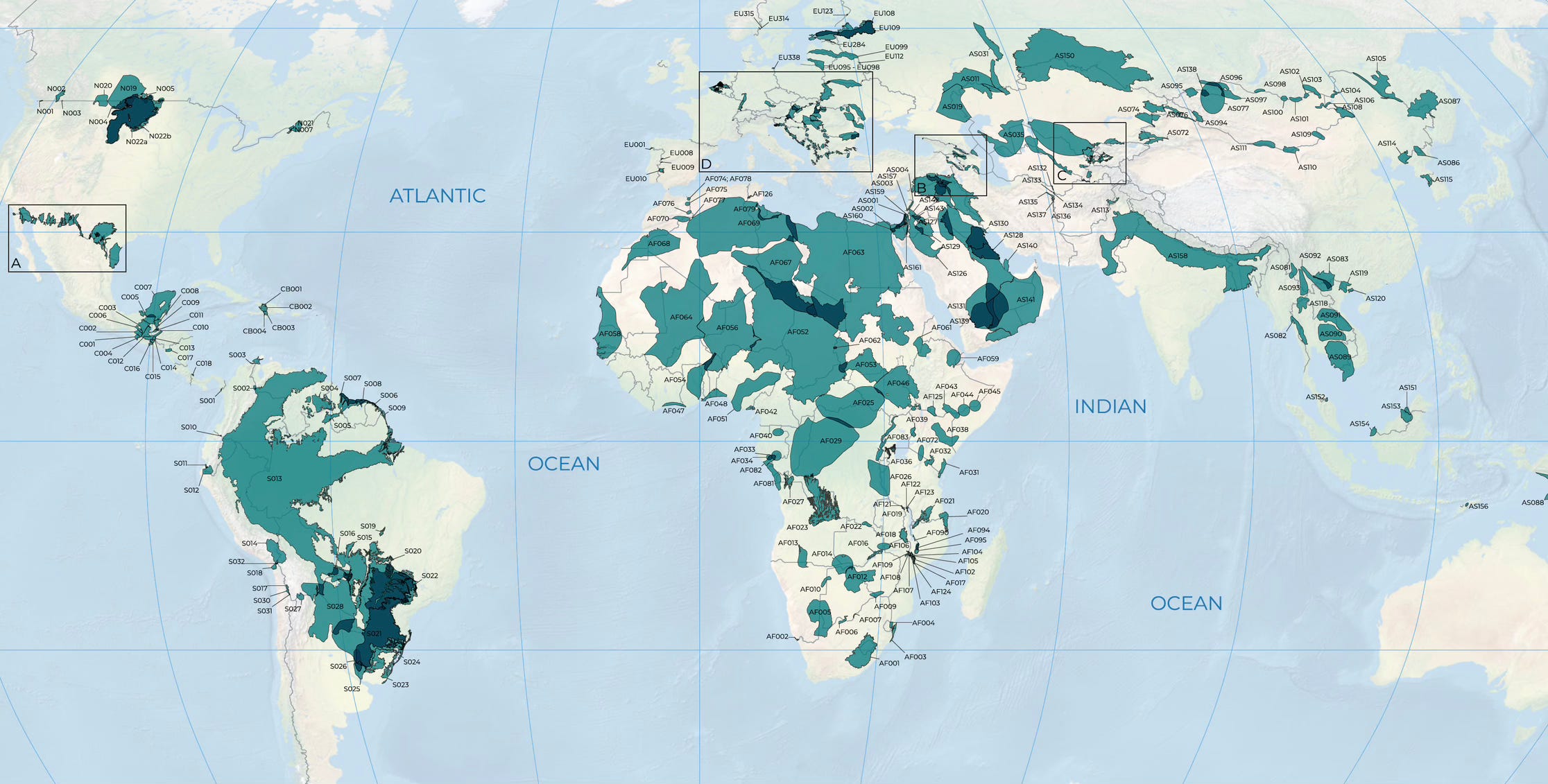
The Transboundary Aquifers of the World map has always been one of IGRAC’s flagship products, with the first edition dating back all the way to 2009. Since then it has regularly been updated and further improved, and with the previous edition dating back to 2021, it was high time for another step forward. And it has been a very big step indeed! With many updated ‘TBA’s’, an improved methodology, two new thematic maps and numerous design changes, the Transboundary Aquifers of the World Map 2025 is unlike its earlier editions. In total, the 2025 edition has 49 new, 41 revised and 91 removed aquifers compared to the previous one. The two thematic maps both tell a different story. The first gives insight into the availability of data and information, while the second illustrates the level of reporting to the Sustainable Development Goal 6.5.2.
The Transboundary Aquifers of the World 2025 Map with both thematic maps is now available in an online map viewer and as downloadable PDF. For these downloads, more background information and our methodology report visit this page.
Open Access Article on Transboundary Aquifer Cooperation in Sub-Saharan Africa Available for Download
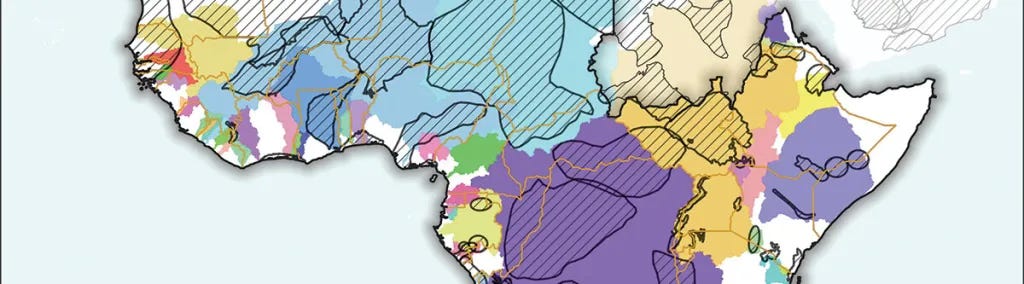
The journal Water International has published the article ‘Institutionalizing groundwater management and transboundary aquifer cooperation in sub-Saharan lake and river basin organizations‘ in 49th volume on water management in basins of rivers, lakes and aquifers. On behalf of IGRAC, Arnaud Sterckx was one of the authors. This open access article on transboundary aquifer cooperation in sub-Saharan Africa is now available for download.
Subscribe to The Underground Update!
Did you find this first Substack version of The Underground Update interesting? Please subscribe and never miss any edition of our newsletter. Also, since we are new on this platform, it would help us immensely if you could share this with any other groundwater enthusiasts in your family, circle of friends or workplace. Thank you and see you at the next edition!